1. Do not hose it down
The crew explains why water, vinegar and bleach are not the answer, and what the team will use instead.
Galeville, NY · Onondaga County
Looking for tear gas removal in Galeville? (877) 812-4220 is answered 24/7. A cleanup team contains the space, uses methods matched to the agent and checks the result before anyone returns.
If anyone is in danger, call 911 first. For a suicide crisis, call or text 988.
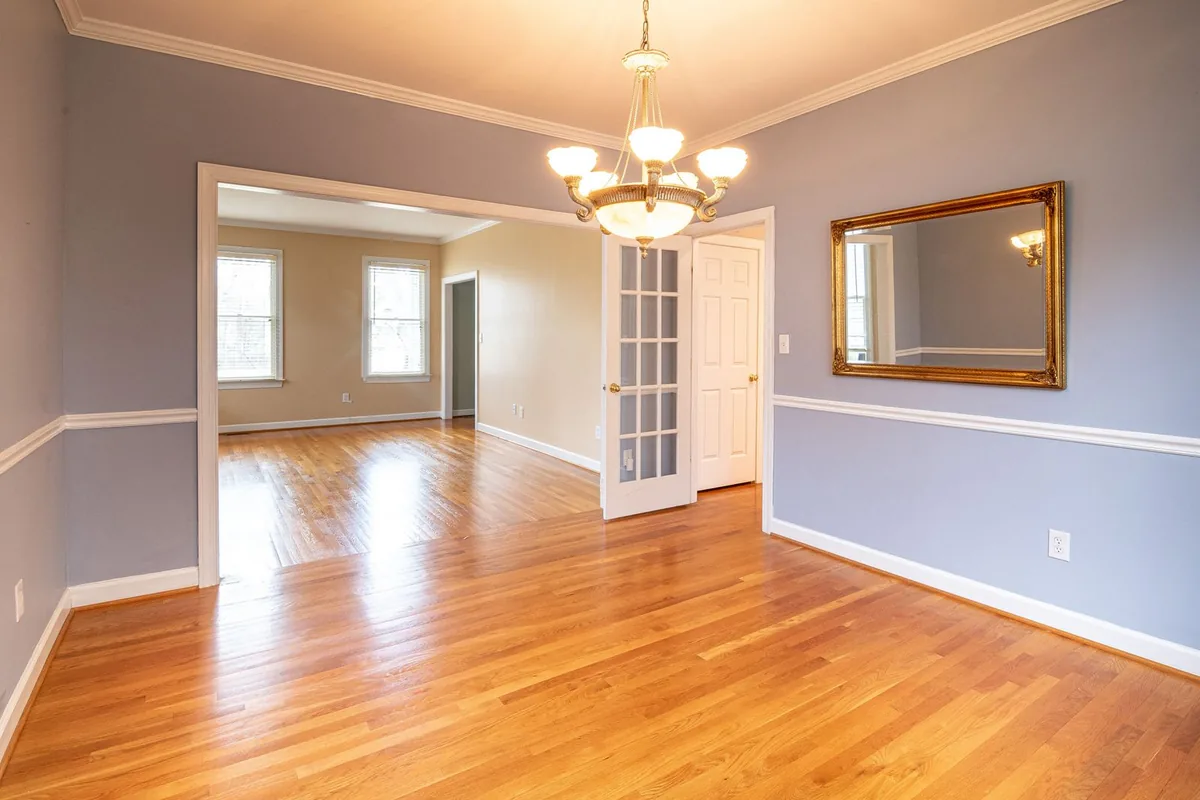
Removing tear gas from a house means more than opening windows. Fine particles settle on carpet, curtains, vents and furniture, and they can irritate again whenever they are disturbed.
Owners in Galeville call Galeville Biohazard Cleanup Help when irritant residue keeps a property from being used. You get cleanup technicians across Onondaga County, day or night, who explain each step in plain words.
July highs near 82 degrees in Galeville are milder, but heating and cooling systems still move residue through ducts. Only about 34% of households in Onondaga County rent, so most tear gas cleanups are booked by homeowners and their insurers.
The work often covers:
The crew explains why water, vinegar and bleach are not the answer, and what the team will use instead.
The team explains what can be saved, what must go and which products suit the agent.
Surfaces are cleaned in a set order, from the cleanest area toward the most affected one, with fresh materials at each stage.
A final inspection and a set of records finish the job, so tenants or staff can return.
Most tear gas & pepper spray cleanup jobs in Galeville, NY cost between $1,500 and $50,000, based on published cost guides.
A single room with hard floors is a smaller job than a whole building where the air system ran and spread residue through the vents.
| Type of job | Typical range |
|---|---|
| Single-family home | $3,000 - $10,000+ |
| Commercial property | $10,000 - $50,000+ |
| Small apartment | $1,500 - $4,000 |
Figures are planning ranges from Tear gas cleanup cost guide, not a price for any specific Galeville property. Price drivers include property size, air system involvement, materials affected, time since exposure. Call (877) 812-4220 any hour.
It depends on the agent, the room and the surfaces. Some residue fades in a few days, while some types cling to fabrics and carpet much longer. If burning returns when you go back in, the residue is still there.
If the heating or cooling system ran, it may have pulled irritant particles into vents and ducts and moved them to other rooms. Crews isolate and clean the system so residue does not spread again.
Not reliably. Vinegar and bleach do not neutralize these agents, and mixing products can release harmful fumes. Plain water can spread residue. Fresh air and professional removal work better.
Only after it is cleaned and checked. Pets and young children are closer to floors, so they can be affected more. Keep them out until the crew says the work is complete.
Glass, metal, sealed wood and plastic often clean well. Washable fabrics may be saved depending on the agent. Carpet, padding, foam and mattresses are harder, and some must be removed. The crew sorts items with you.
Ask the agency what records it can give you. A police report number is often useful for insurance. Cleanup can start once the agency says the property can be entered.
Private help from the first call to the final inspection.
Call (877) 812-4220